Happy Days

Watching Wimbledon this week and anticipating the Olympics, I was struck by what a lucky little so-and-so I have been. I was trying to imagine what my “bucket” list might have looked like in my late teens/ early twenties and I reckon it would have looked a bit like this

  • A trip to Disney World
  • Watch tennis at Wimbledon
  • Meet my soul mate
  • See the Northern Lights
  • Dance at the Tower Ballroom
  • Have a successful career
  • Go to the Olympics
  • See New England in the fall

I don’t think, at that age, the one thing left on my bucket list – travel throughout Ireland (particularly Galway, Cavan and Tipperary) would have made the list; I probably didn’t understand my cultural and ancestral ties at that age.
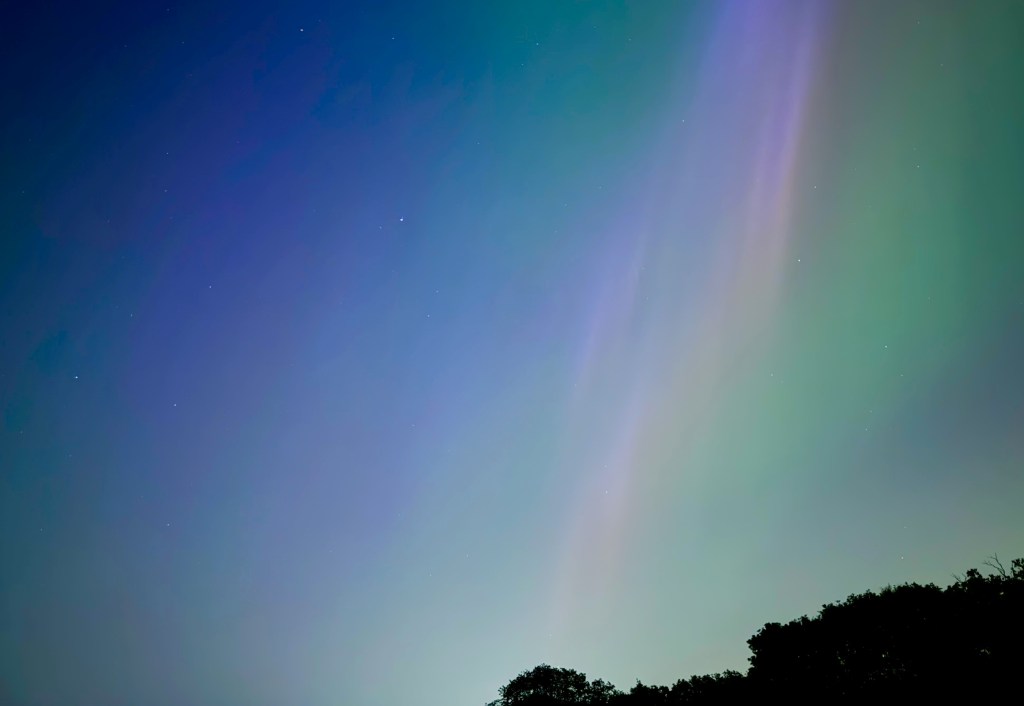
Fair to say I have smashed the rest of it, the Northern Lights were dropped in my lap, a gift from nature that wasn’t lost on me. I have travelled North America extensively and enjoyed every second, Yosemite (three times), Disney World and Orlando (seven times) and the Canadian rockies (twice); would be my favourites, but I also loved Zion, New York, Boston, Washington DC, San Francisco, Washington, Vancouver and Shenandoah. I wish I had been brave enough to explore South America and the Indian Continent – I feel the colour and vibrancy of those places would have awakened my senses and lust for adventure in ways that could have changed my life; but my desire for comfort and safety has always been too strong. Reading has been my travel placebo. I’ve been to many a cup final at Wembley, have spectated at Wimbledon several times, was one of the many who experienced Super Saturday first hand, I danced at the Tower Ballroom with my soul mate and I think my career was reasonable.

I have had an incredible life, probably not by anyone else’s standards but, in my eyes, I have achieved so much. My life has been full of love – given and received. I know that I have saved lives through my compassion and understanding – what a gift that is. And I have influenced other lives of course, mostly positively, and certainly my intent has always been one of kindness. I have worked hard and had much enjoyment. There have been challenges, grief – as it is for most people my age – has been my companion many times in the last twenty years. My health has been, for the most part, excellent and I am full of admiration for my body’s ability to do all it does. My most recent challenge came on the 4th March this year when I heard, for the second time, those fateful words “sorry, it’s cancer”. I was alone, I was shocked, I was afraid. My overwhelming thought was I am not ready to die. The system kicked into action quickly and efficiently – staging CT, bloods, scans, further histology and I was to come back on 21st March for a fuller diagnosis and to agree a plan.

On that day I wrote in my journal “scared, hopeful, numb”. That about covers it!

The results were as good as they could be in the circumstances, and a plan was put in place for surgery the following Wednesday, yet again the system ramped up and I was pre-op’d and ready. On the Saturday before my operation, I decided to do the 100 Happy Days challenge. I am so glad I did. Firstly, to notice just how quickly 100 days passes; and perhaps more importantly to gain some evidence about what exactly makes me happy. The first thing I need to point out is that there are more happy things than there are days – because it wasn’t `the happiest thing’ but all that had made me happy that day. When I looked back this week to analyse the results, I was pleased to see that most of the things that make me happy represent the cornerstones of good mental health.

Thirty-eight times in the 100 days I noted some aspect of “noticing nature”, from the Northern Lights to a pretty flower, and there is such resonance here with my day to day. I am surprised it wasn’t 900/100 as that’s what my life feels like.
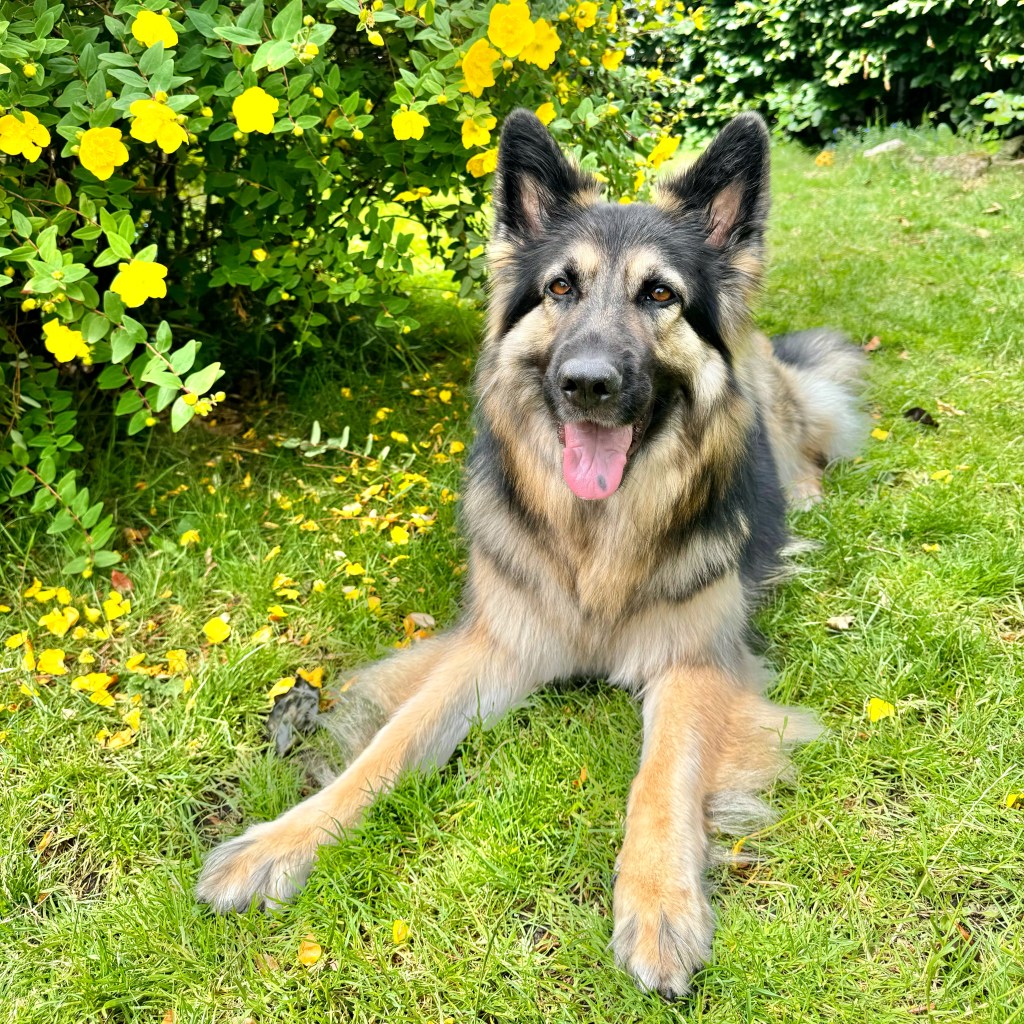
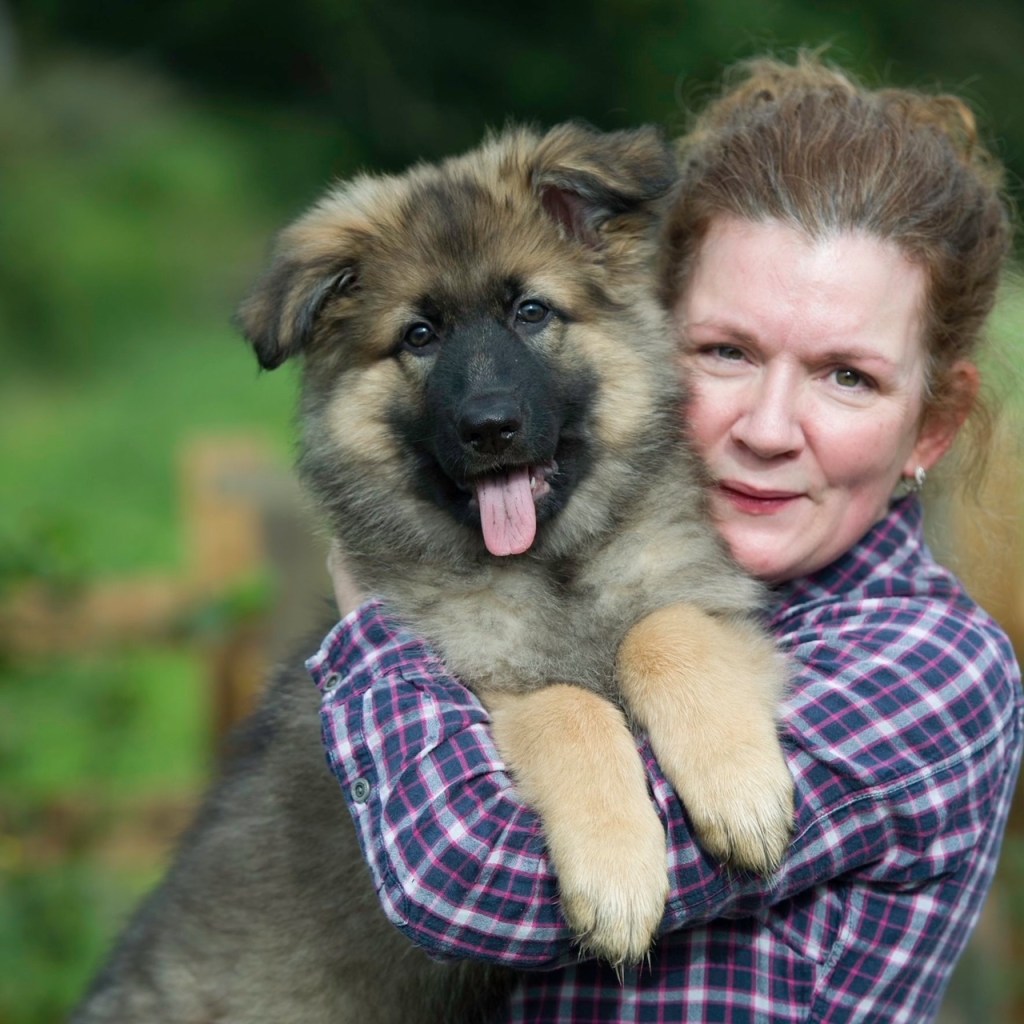
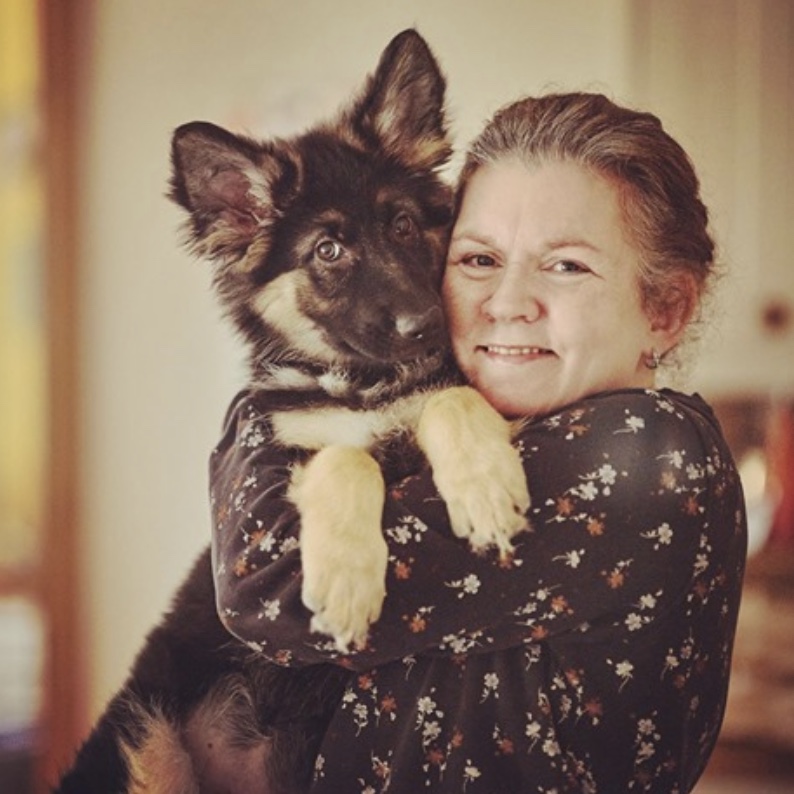
My beautiful pup Zahra, with all her challenges, was the next highest scoring; followed closely by friends and family. Love, as I have already said, and I am lucky to have the best people (and pup) in my corner. I appreciate every one of my relationships.

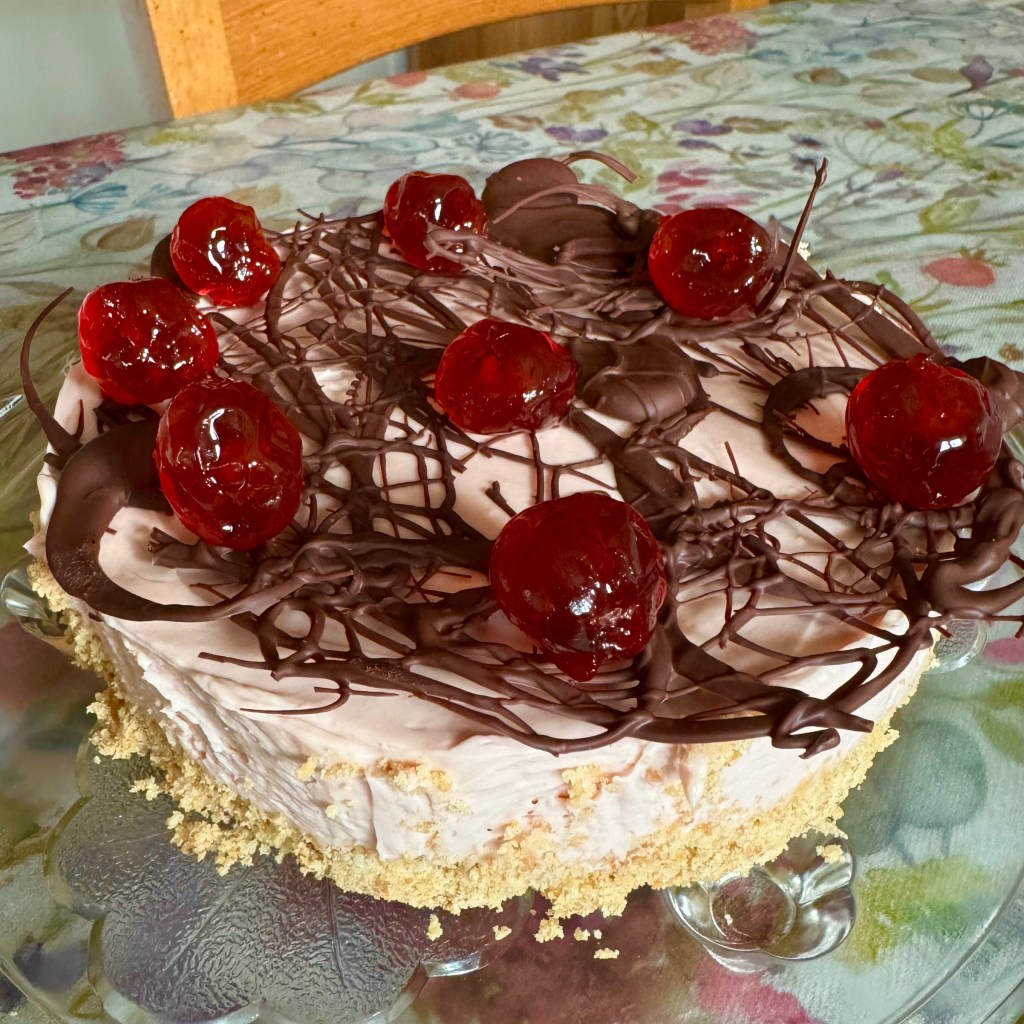
Next came food and more specifically cake, and anyone who knows me knows this to be true! I could do with cutting down a bit, but it’s never lost on me that nourishing myself is a great privilege. Enjoying tastes and textures; and using food to express my love for others is, and always will be, a huge and healthy part of my life.
The next highest scoring happy factor was family history. I have been researching my family history for more than three decades and I love so much about this. I love the actual research, playing detective, analysing facts, seeing patterns – holding everything loosely, and then homing in and proving a piece of evidence. It has taught me so much about life and how to analyse information, also about being non-judgmental and keeping my heart and mind open. Then there are the stories, often not my own blood line but some delightful rabbit holes that I have tumbled down along the way – like the story of Catherine Ratcliffe-Duncan, a pit brow lass from Billinge; and Mary Ellen Foster, who left rural Rainford to enhance her nurse training and ended up being one of the first registered physiotherapists. But it’s the people I have met along the way who are the greatest treasure, not just the many cousins I have connected with but the genealogists who are so kind and generous with their time and expertise.

The next part of my analysis shows several things with equal weighting: art, reading, naps, self-care and self-improvement. Wonderful! House work and home improvements snuck onto the list – I don’t think we should live for “things” or keeping those things clean and tidy; but nor do I need to justify myself, I am working on being happy with “being” and I don’t see these features as a failure – just clarity that I have work to do and in the meantime I appreciate my surroundings and beautiful things as a form of art.

Finally celebrating the milestones of my cancer treatment was a small feature, ringing that `end of treatment’ bell is quite something. Who knows what the future holds; but I know that I will face it with the right attitude, excellent support and the experience of a life well lived.

If you want to read more about Zahra, Catherine or Mary Ellen see my previous blog posts on this site.   
Not My Baby

I am childless, not by choice. Circumstance and cancer deprived me of the opportunity to become a parent. I’ve the greatest admiration for those who manage to parent alone, just as I was contemplating that course I was diagnosed with cancer and the landscape shifted. My mum, one of the wisest people I have ever known, told me “you’ll be a mum to someone”. And I have, I think, to many; definitely to one, my beautiful friend Katey called me her “second mum”. A role I loved. Still not quite a mum though, and I get that – even if other people’s stories, especially on social media, didn’t bombard me with “the most important role anyone will ever have”, even if I didn’t empathise with the difficulties faced by my friends who are parents; I know that being a mum would have been so much harder and so much more rewarding than anything I have faced.

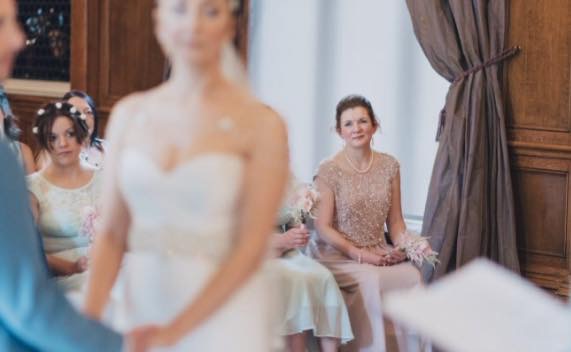
My proudest moment – being Matron of Honour for Katey

I have a dog, a beautiful and very poorly German Shepherd bitch called Zahra, who is almost four. Prior to getting Zahra I had another German Shepherd bitch, she died at 2 years old from the same illness, epilepsy; she died in status epilepticus. One of the most difficult situations I have ever had to face. If you haven’t carried a five stone fitting dog to your car, driven 45 minutes to an emergency vet, had your pup sedated overnight and made the heart-breaking decision to have her put to sleep the next day; you probably don’t fully get the horror. That’s fine. That’s my story, not yours. When that dog takes up a big space in your heart, in the way that only dogs can – selfless, loving, funny, oxytocin generators that they are; it’s a difficult loss at any age and more brutal when it’s a two-year-old who didn’t get all the care she should have. Facing the same disease with another oxytocin generator is hard, but at the same time it’s not like losing a child. Facing illness with her is not like the illness of a child – for a start no one would mind if my husband and I left our dog home alone (something we have never done).

I have called her my baby, I have allowed others to tell me “She’s your baby” but as I sit in this moment, where we are facing the challenge of balancing control of the epilepsy and side-effects of treatment; I realise she’s not my baby and it made me wonder why we say that. I think this has application and learning beyond my current situation. I think one reason people say “she’s your baby” is an attempt to understand my life through their lens, a common misconception of empathy. This is not empathy. Empathy is seeing the situation through that person’s lens, not your own. She’s not my baby. My baby/babies are the souls I never got to meet; they’re an ache I have learned to live with, a sore spot in my heart that bleeds every time someone complains about parenthood (and yes, I do move from that and apply my empathy to see their life from their lens not mine). The rest of my lens includes a perspective from my dad and grandfather who were farmers, dogs were very much working resources of the farm, not family pets and a million miles from being their baby. That’s not to say they didn’t love them, respect them, and take excellent care of them. But when my second dog became ill, a thought I had (frequently have) of “I wish I could talk to dad about this” (he died 19 years ago) was quickly followed by “no I don’t”. I know my dad would not be spending £250 a month on medication; he wouldn’t be getting up at 1am, delivering emergency medication through three grand mals back-to-back and driving to the emergency vet. That was his lens. Mine: she never asked to be born; I am so very glad that she came to us; I love her cheeky personality, her intelligence and charm and the way she loves everyone she meets; I am incredibly grateful that I could adjust to part time working (with my 40% pay cut) to give me time to support her and to support my husband to support her; I am super grateful that my husband is retired and (more importantly) that he copes so well with the seizures and takes such good care of her; I am grateful for my own curiosity to understand the situation as best I can, and for my intelligence and organisational skills that provide me with the capability to manage her five times a day medication regime, and to manage all other aspects of her care through an epilepsy lens; I am grateful that we don’t mind the 5:30am start, EVERY DAY, and the no holidays, never having an outing together (NEVER, not just `no nights out’ but we can’t even go and choose a carpet); and most of all I am grateful for every day we make these small sacrifices to see her cheeky face and wagging tail; and she’s a dog, a family pet, part of our family – arguably the kindest and most emotionally sound member of the family; but nonetheless a dog.


I appreciate it’s short-hand but she’s not my baby.

Featured

My Second Life

On this day 19 years ago I went to the operating theatre to have my left breast removed, it had developed a significant invasive cancerous tumour and it had to go! I am, as far as I know, in remission. I celebrate this day as my second birthday, the last 19 years as the second life I was given; and I try to use it well. So here are 19 of the things I have learned:

  1. There’s really no such thing as the “all clear”, I have given up explaining this but really no-one can be guaranteed “cancer free”, the correct term is “no evidence of disease”.
  2. I am still me, a work in progress but always me. Cancer didn’t take anything from me, I am not my disease. I am not “the one who had breast cancer” because I am so much more than that.
  3. Who I am is far more important than how I look.
  4. Who I am is a gazillion times more important that what anyone else thinks of me. Their judgement is about them, not me.
  5. Life is not fair. Bad things happen to good people. Lightning does strike twice or even more times. Heartbreak is a part of life, as long as you have love and joy, you will have grief and sorrow; but the love and joy will prevail and it is worth it. Oh, and cancer is a lottery – I didn’t `deserve’ it, no one deserves it. We constantly look for explanations but sometimes there just is no explanation. If you have been diagnosed, please, please know that it isn’t what you did or said or took or didn’t take. Yes, there are health risks and if you want to reduce yours and live a healthier life, please do – you will no doubt benefit but as the bible says “Todays burdens are enough for one day”, don’t add to your load with blame or shame.
  6. Everything changes, all the time, regardless of whether you want it to or don’t want it to. You are not in control, you cannot change it – accept it, go with it.
  7. Anything is possible, good and bad, so stay open that possibility.
  8. Perfection does not exist, you aren’t perfect and nor is anyone else. Your parents aren’t perfect, they are just doing the best they can and they know you aren’t perfect – they just want the very best for you and sometimes it comes out a bit twisted. But really, they love you just exactly as you are.
  9. As Maja Angelou says “People will forget what you said, they will forget what you did, but people will never forget how you made them feel”.
  10. There are no bad feelings, just your feelings. Listen to them, let them tell you what they mean. You are not your feelings, but they are important.
  11. I tried to say this better but couldn’t, so take it away Emily Dickinson
    Hope is the thing with feathers
    That perches in the soul
    And sings the tune without the words
    And never stops at all,

    And sweetest in the gale is heard;
    And sore must be the storm
    That could abash the little bird
    That kept so many warm.

    I’ve heard it in the chillest land.
    And on the strangest sea,
    Yet never in extremity,
    It asked a crumb of me.
  12. Count your blessings, gratitude has been proven to improve well being and it’s a great practice to get into.
  13. Forgive and send love to everyone, especially those who don’t seem to deserve it – they are usually the ones who need it the most.
  14. You can do it, even in the fiercest storms of your darkest days – you are stronger than you know.
  15. Breathe deeply, practice slowing and deepening your breathing as a means to steadying yourself when life churns you up a bit.
  16. As the wonderful Matt Haig says “notice the beauty”, look around you, there is always something to appreciate.
  17. Everyone has something to teach you.
  18. Learning is a wonderful gift, stay curious, ask questions and listen.
  19. Love is everything – to love and be loved.

Mental Health is for life .. not just an awareness week

61024946-4FC0-4A6A-8330-9A8955EE2AF4.jpegLast week was mental health awareness week, a great opportunity to raise the profile of mental health and mental illness. After a difficult week this week, it struck me this morning that mental health isn’t just for mental health awareness week. I was drawn here to share how I am taking care of my own mental health, I hope this will encourage whoever is reading this to consider their own actions to promote their wellbeing.

Step 1 is acknowledging that it’s been a tough week; and allowing myself to “sit with” and reflect on some of the challenges and my feelings and emotions. For me, I work best by journaling this or by drawing images that reflect my thoughts and feelings. I’ve always been a writer and a scribbler. Mindfulness always sounds so powerful but I am not sure I manage it very well; although I think it’s a bit like yoga – it’s not a competitive sport, you find your own level (and the more you practise the better you get). Allowing yourself this reflective space, exploring your feelings and understanding, as best you can, what those feelings are telling you, deepens your understanding. If you have a good friend, coach or therapist it is a step further to have them ask you about things and listen to your reply – they can often notice something that is just outside of your awareness; and this can be helpful to deepening your understanding. And the power of being listened to is often enough to help you heal.

Step 2 is being grateful, acknowledging all the positive aspects of life or even just one – as the amazing author Matt Haig says “look for the beauty”. This can also help to bring perspective, for many years after my cancer diagnosis I would look at all issues from the perspective “am I dying?”; sadly it’s not a perspective that sticks but occasionally life is kind enough to kick me in the rear and remind me that living to face another day is a privilege. I remember, many years ago, seeing the great Maya Angelou in an interview where she was asked how she maintains her positivity and she said that her mother would say “no matter how miserable you feel, whatever you are going through, you need to remember that everyone who died last night would give anything for five minutes of what you are going through”. I have always remembered that.

Step 3 taking care of me – rest, exercise, good food and for me a beautiful bunch of flowers, finishing the presentation I am delivering on 6th June, tidying up and doing my physio exercises for my impinged shoulder. I think self-care is a very personal thing, I’m aware the tidying wouldn’t be everyone’s cup of tea. Our personal tastes, preferences and abilities dictate our rest, exercise, food and treat choices. Sometimes the pressure for 15 minutes vigorous exercise, 5 a day of fruit and veg and 8 hours sleep can lead to inertia through our perception of “not good enough”. My philosophy is that 1 portion of fruit and veg, getting my backside out of the chair and allowing myself the opportunity for sleep is better than nothing. We are all climbing our own mountain.

So, I encourage you to consider your mental health today and do what you can to nurture it. I wish you success and peace.

Pause, Breathe, Connect

One of my hobbies is photography; thinking about why I enjoy it always brings me to the same thing – that opportunity to slow down and do something “different” from my day to day. As a general rule I am busy, rushing around – if not in physical terms at least mentally. My thoughts race and I am always thinking about what’s next. Any photographer, at any level, will tell you that such frenetic energy is not generally conducive to good photography! The digital era has made it easier to be “snap happy” but the best photographs and the greatest enjoyment (to me at least) is in `stopping and taking notice’. So that’s my step one – pause, stop rushing, just “be”. Take notice of what’s around you, as Matt Haig says “Look for the beauty”. I believe this step incorporates several of the cornerstones of good mental health – mindfulness, taking notice and practising gratitude.

Step two, breathe, always a good idea, but actually a top tip for taking good photographs. The key to a sharp image is the steadiness of the photographer’s hand (unless you resort, as is necessary sometimes, to a tripod and remote shutter release); and the best way to get a steady hand is to steady the breath. Taking your shot at the point that you finish releasing a deep breath is usually the steadiest you can achieve (although it also depends on your stance – feet flat on the floor with a good centre of gravity is pretty important too).

image1Step three, the one that has achieved the most appreciation for my photography, connection. You might think this is just in people shots but it is possible to find a story and connection in any shot. This breathes passion into your art. My favourite photograph, of my own, is a shot of a fallen tree at the Johnston Observatory in Mount St Helens. I knew as soon as I saw the scene that, for me, there was an emotional connection to the blast of 1980, I could imagine the tree being blasted into its current position which connected me to the force of the blast and the emotion of the event. I have entered the print into competitions and no-one makes the same connection but they “get” the shot as a powerful image.


As a photographer and artist, I have much to learn but the joy is in the learning and the experience. I hope you have a hobby that brings you peace and happiness, even if it’s accompanied by a certain level of frustration!